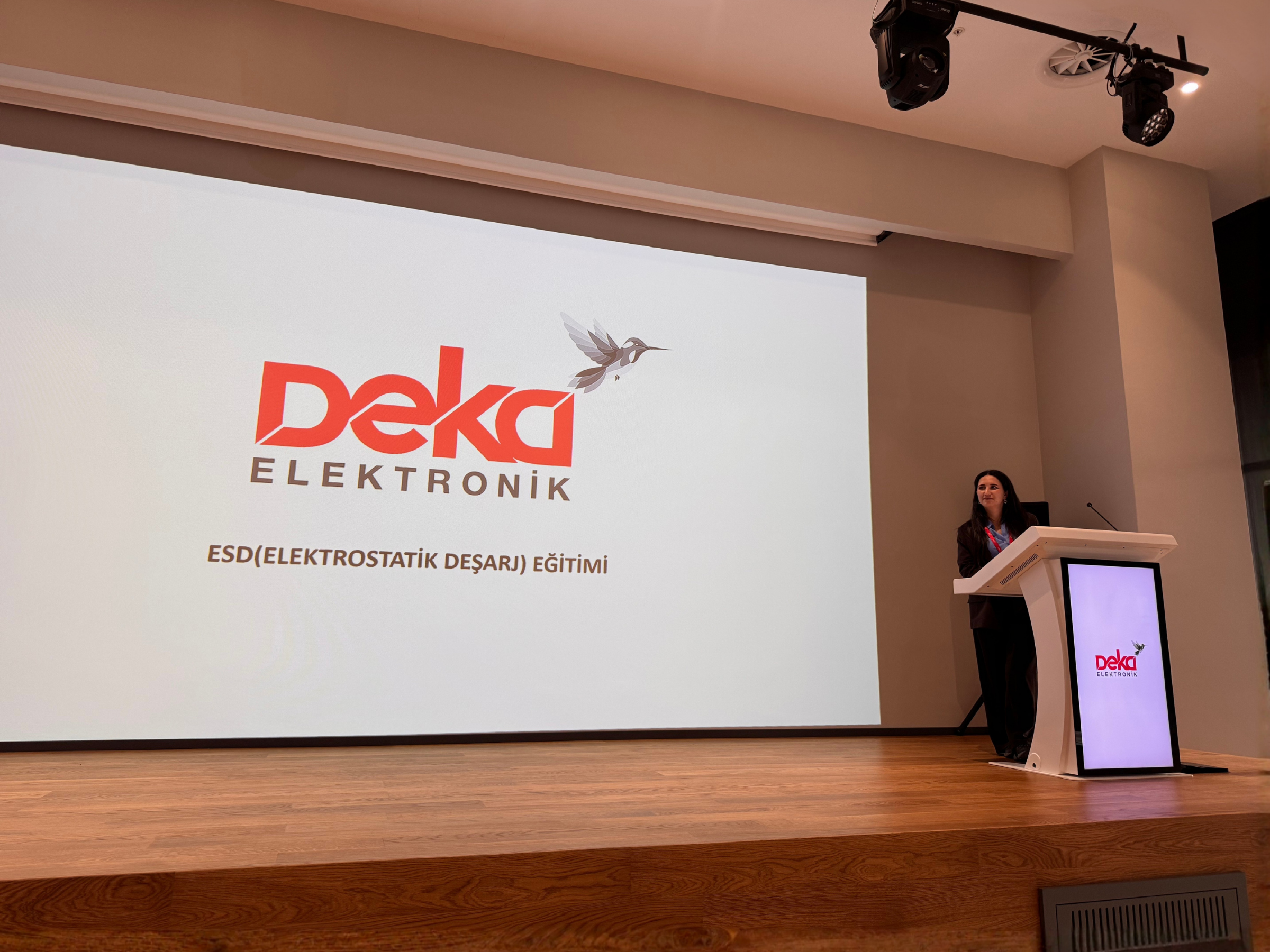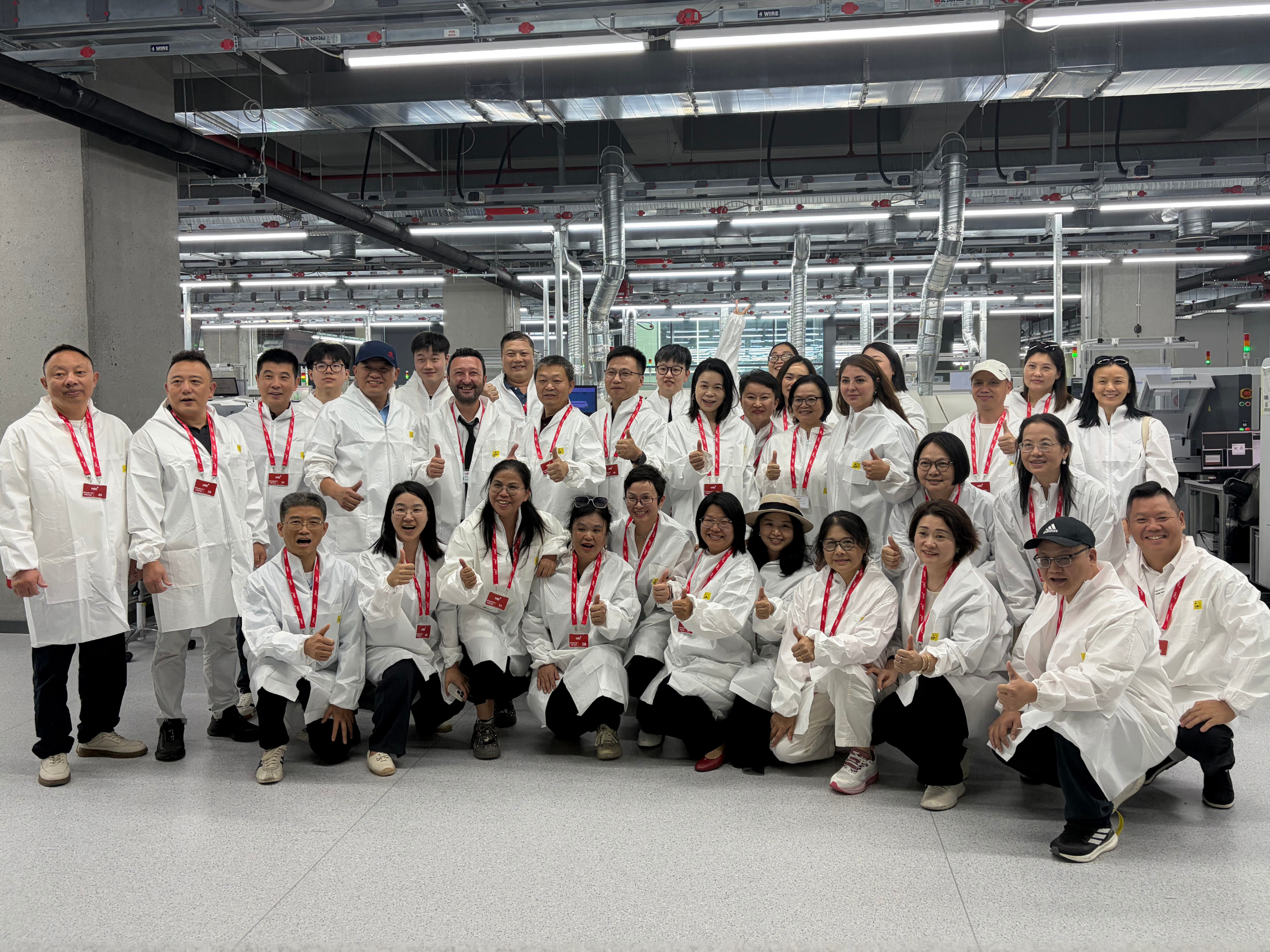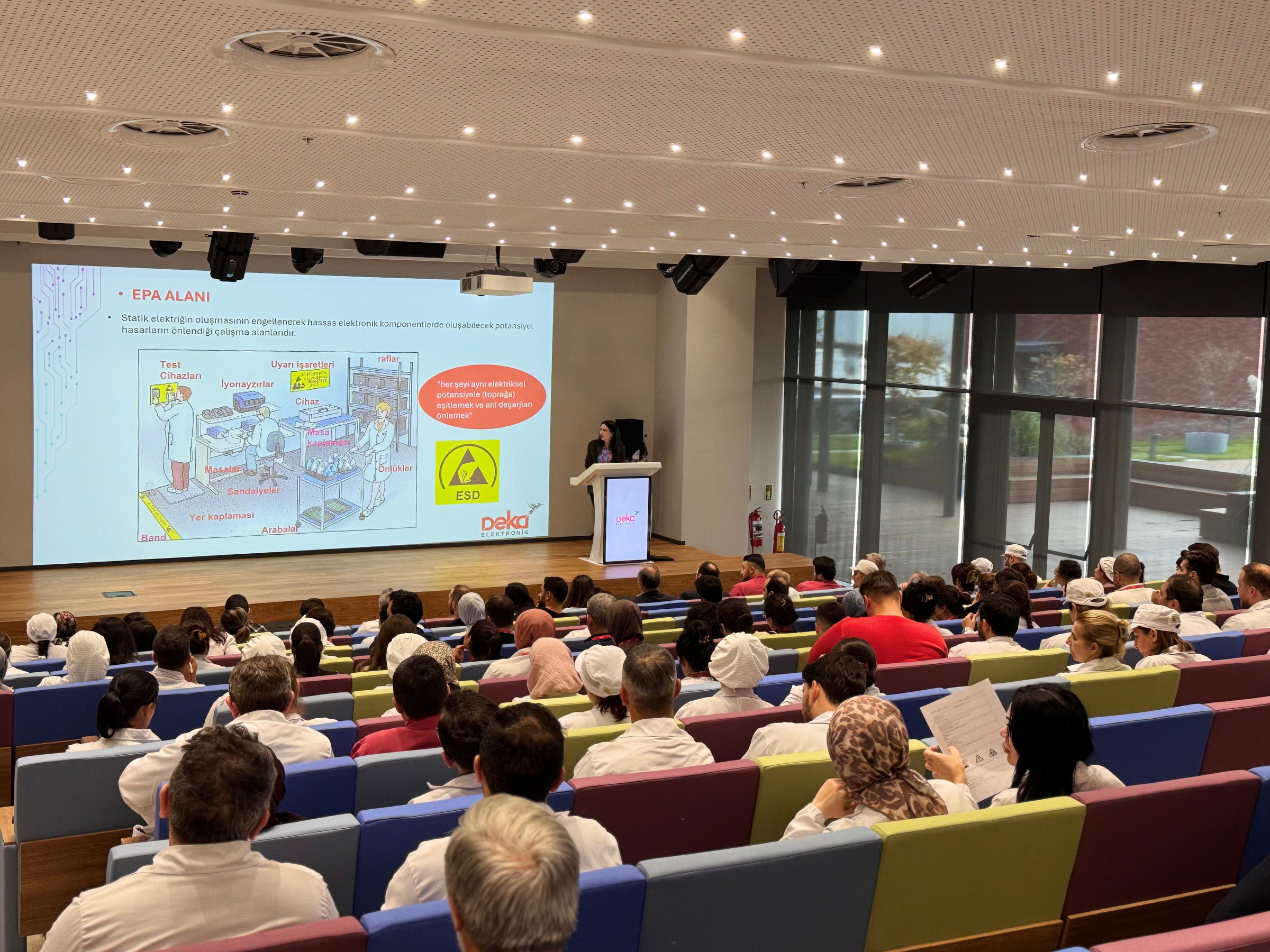
At Deka Elektronik, we conducted ESD and Quality Nonconformities Training to strengthen quality awareness across our electronics manufacturing processes, increase awareness of risks associated with electrostatic discharge (ESD), and support the consistent implementation of correct practices.
In electronics manufacturing, quality is achieved not only through the inspection of finished products but also by adopting correct practices at every stage of production and proactively assessing potential risks. Due to the sensitive nature of electronic components, electrostatic discharge (ESD) is one of the key factors that must be carefully managed throughout manufacturing processes. With this in mind, we organized the training to reinforce our employees’ knowledge and awareness of ESD practices and quality nonconformities.
Electrostatic Discharge Risks and Correct Practices
The training was led by Tuğba Ankışhan, our Process Quality Control Team Leader. The program covered the effects of electrostatic discharge on electronic components, ESD practices, and their applications in manufacturing processes.
Electrostatic discharge occurs when electrical charge is suddenly transferred between two objects at different electrical potentials. Static electricity accumulated on the human body or various surfaces can damage sensitive electronic components or impair their performance when discharged into them. In some cases, this damage may not be immediately visible but can affect product performance at later stages.
For this reason, ESD control is essential in electronics manufacturing. It involves adopting appropriate working methods, using protective equipment correctly, and complying with established procedures. During the training, particular emphasis was placed on the correct implementation of ESD practices and the importance of avoiding improper handling and procedures.
Quality Nonconformities and Preventive Approaches
Another key focus of the training was quality nonconformities encountered during manufacturing and the measures taken to address them. Properly evaluating nonconformities, understanding their potential causes, and determining appropriate corrective measures help maintain process control and uphold quality standards.
The training addressed encountered nonconformities and the measures implemented to prevent or address them, highlighting the importance of approaching manufacturing processes with a quality-oriented mindset. In addition to adopting correct practices, regularly reviewing existing procedures and maintaining awareness of potential errors are essential elements of effective quality management.
Supporting Continuous Improvement Through Training
At Deka Elektronik, we value the continuous development of our employees’ knowledge and skills, strengthening quality awareness across our organization, and fostering a shared understanding of quality throughout our manufacturing processes.
The ESD and Quality Nonconformities Training served as an informative introduction for our new colleagues and an opportunity for experienced team members to reinforce their existing knowledge. Through this initiative, we aim to promote correct practices and support the sustainability of our quality standards.
We believe that quality manufacturing is built on attention to detail at every stage of the process, the contribution of our employees, and a commitment to continuous improvement. We will continue to support our quality-driven manufacturing approach through training and awareness initiatives.